

A rose toy can feel like rhythmic pressure around an opening, a buzz through a contacting surface, or repeated moving touch, depending on its mechanism. These are broad descriptions of how the device acts, not a prediction of your response. Fit, the setting, and how the contact surface meets your body can change the impression.
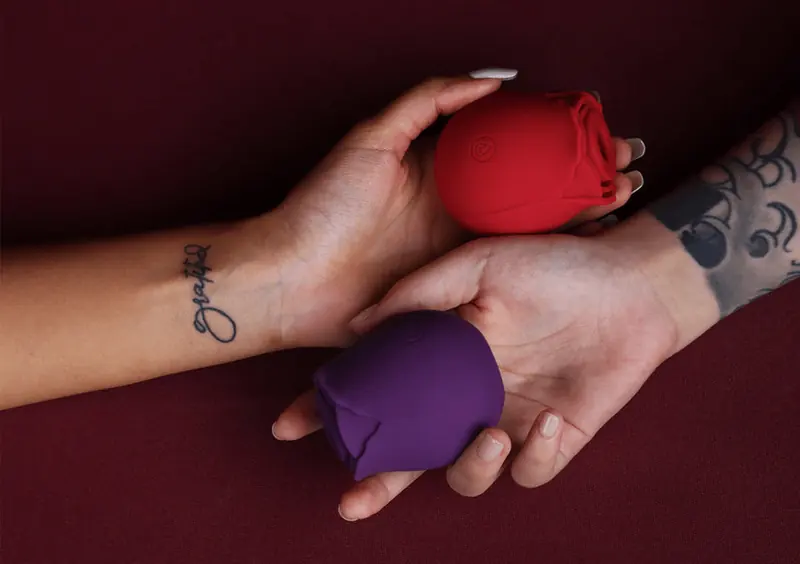
Which sensation comes from which mechanism?
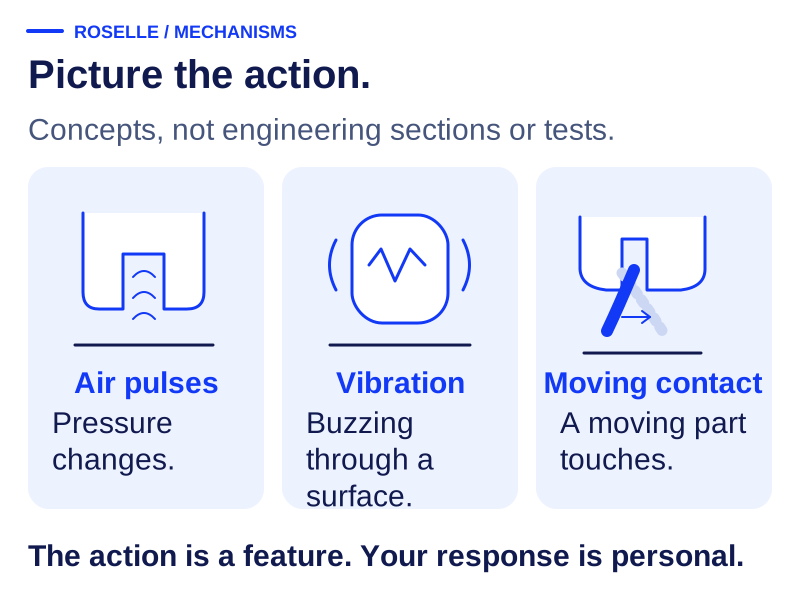
Look for the actual action behind the product name. Air-pulse designs change pressure around an opening, while vibration transfers movement through a contacting surface. Tongue-style designs add a moving contact point. Calling all three “suction” makes it harder to choose.
| Mechanism | How the action can feel | What can vary |
|---|---|---|
| Air pulses | Rhythmic pressure concentrated around the opening. | Fit, positioning, and the selected pattern affect the impression. |
| Vibration | A buzz or vibrating sensation through a contacting surface. | The rhythm and physical contact differ between designs. |
| Tongue-style contact | Repeated touch from a moving contact point, sometimes with vibration. | Contact angle, placement, and the documented settings. |
| Combined functions | More than one action or area of contact. | Combined functions are not necessarily independently adjustable. |
Within Roselle’s core range, Classic uses air-pulse suction; Kiss uses tongue-style contact and vibration. Duo adds a thrusting, vibrating shaft to an air-pulse head, and Sync combines suction and vibration. These are functional differences, not a ranking of comfort or pleasure.
Why do settings and patterns change the impression?
A setting can change the strength, rhythm, or combination of an action. A pattern count does not necessarily describe separate intensity levels. Two products with the same number of modes may therefore offer very different choices at their gentlest settings.
When reading a listing, ask whether you can adjust intensity without changing the pattern, and whether combined functions have independent controls. If the answer is missing, resolve it before choosing. More functions are useful when you want those actions; they are not proof that a device will suit you better.
Why can the same mechanism feel different?
Contact and positioning help explain why a mechanism does not produce one universal impression. You can inspect the physical design and controls, even though a photograph cannot predict your response. Start with a clear view of the opening, the body you will hold, and the button positions. Then check the intended-use information for that exact model.
- Opening and contact area: a front photograph may hide their shape. Look for a clear top or angled view.
- Grip: consider whether the body gives your hand room to hold it without covering the control.
- Controls: check how you change a setting and switch off. Do not assume every rose uses the same sequence.
- Format: a compact external rose and a model with an attached shaft serve different briefs.
The rose vibrator collection helps you identify formats. Use documented details to narrow your list rather than treating a color, flower shape, or dramatic product name as a specification.
How should you interpret a sensation review?
A useful review separates the exact product from the reviewer’s response. “This model has a moving contact surface” describes a feature. “It felt too strong for me” describes one person’s experience. Both can be informative, but only the first tells you what action the device is built to provide.
Check whether the reviewer identifies the model and explains the setting, grip, and controls involved. A reaction to an unidentified rose cannot establish how another product behaves. Likewise, a claim that a toy feels exactly like oral stimulation is a comparison, not a guarantee that it will match your expectations.
There is no need to reproduce a viral reaction or reach a particular setting. Treat someone else’s enthusiasm as a personal account, then return to your own preferences and the features you can verify.
What if it feels different from what you expected?
Pause and check the model’s intended use and controls before assuming you need more power or firmer pressure. If contact is uncomfortable, stop. A different mechanism or physical format may simply fit your preferences better.
For setup and control checks, follow the model-specific getting-started guide. Use the cleaning and charging guide for maintenance questions; cleaning or charging instructions should not be borrowed from a similar-looking product.
How do you choose your next step?
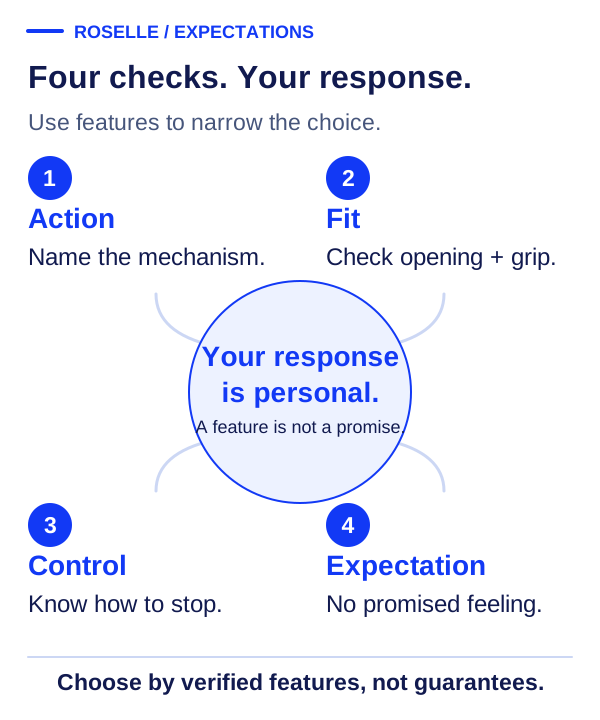
Finish three sentences: “I want to explore this action.” “I can identify the controls and contact area.” “I understand what the description does not promise.” If any answer is unclear, keep comparing rather than adding functions at random.
Open Compare Roselle models to match those preferences to documented mechanisms and controls. Choose the model whose actual design answers your question, then use its supplied instructions when it arrives.
FIND YOUR ROSE
Four Roselle favorites
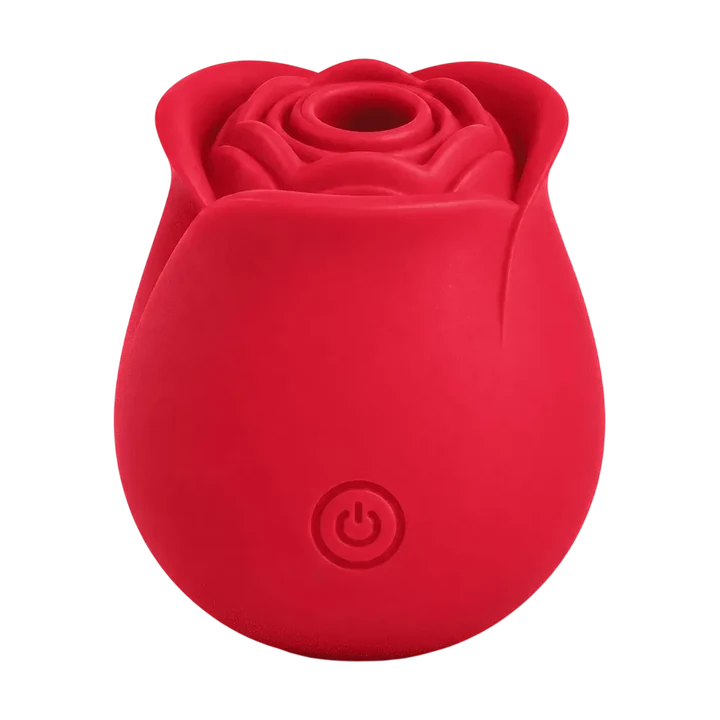
Classic
Air-pulse suction. Compact rose format.
View model →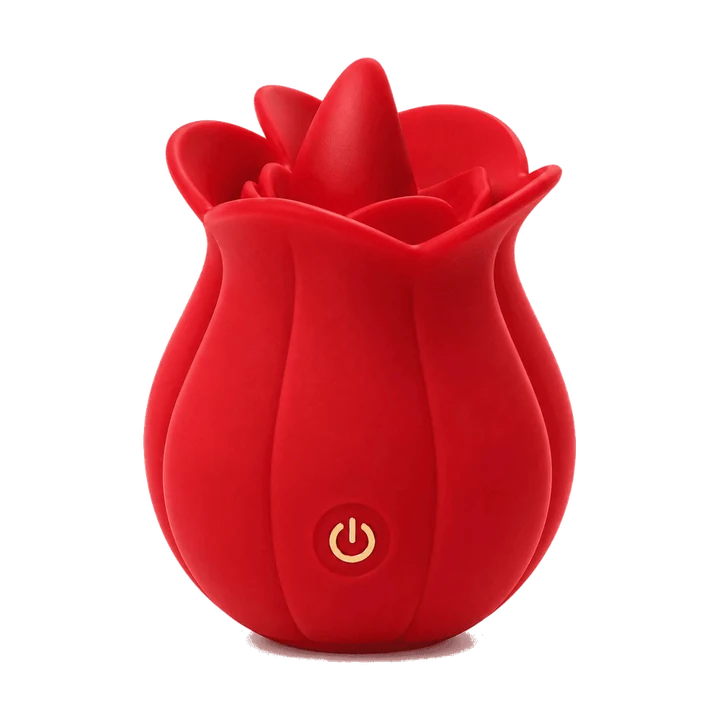
Kiss
Tongue motion + vibration
View model →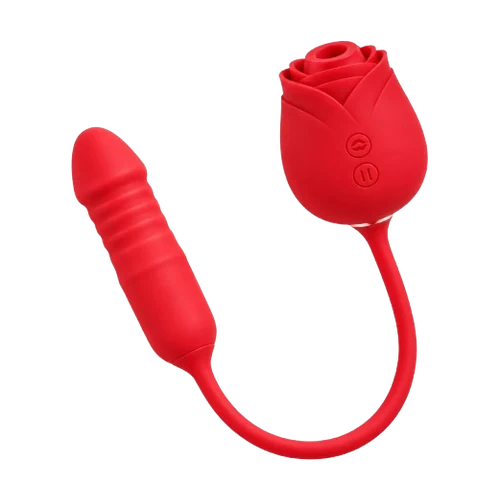
Duo
Suction + thrusting
View model →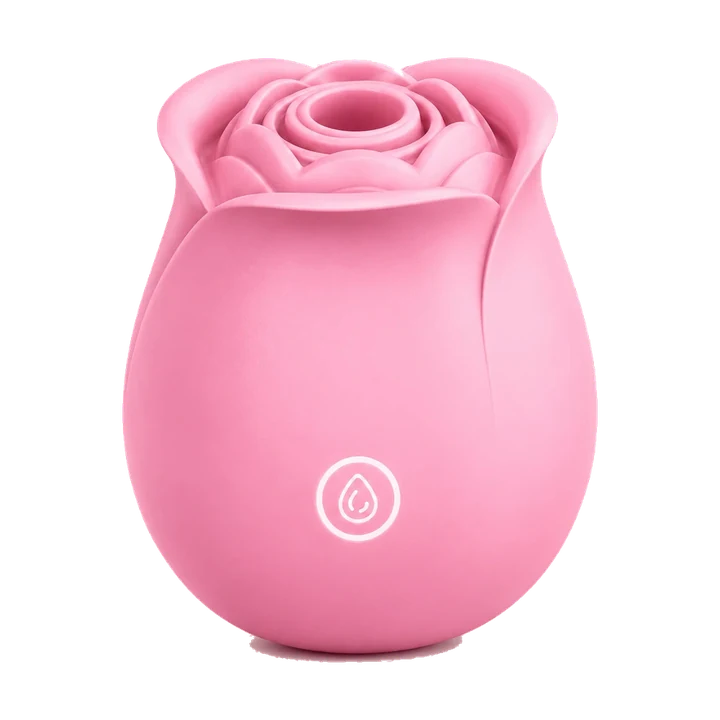
Sync
Optional app control
View model →KEEP EXPLORING
Recommended reading
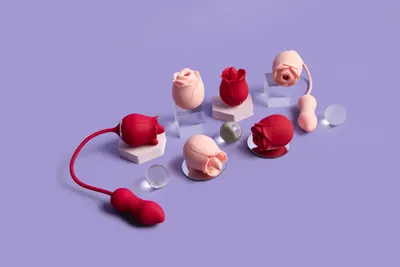
What Is a Rose Toy? Types, Functions, and Key Differences
Understand rose toy names, mechanisms, and formats, then use a simple checklist to read a product listing accurately.
Read guide →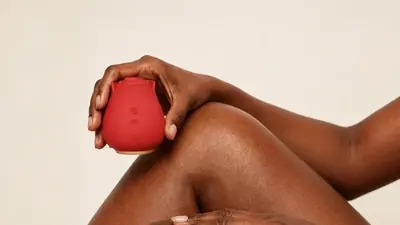
Can Men Use Rose Toys? Fit and Intended Use
Can men use rose toys? Compare product formats, intended use, physical fit, controls, and model-specific care boundaries before choosing a Roselle device.
Read guide →
Is the Rose Toy Worth It? A Practical Buying Guide
Is the rose toy worth it for you? Compare Roselle features, practical trade-offs, controls, care needs, and total cost before choosing a model.
Read guide →
Join the conversation
Have a question or a tip about this guide? Leave a comment below. Comments are reviewed before they appear; your email address is never published.