

Rose toys make sound, but how noticeable it is depends on the exact device, setting, and surroundings. A rose toy described as quiet is not necessarily silent in your room. Check the model behind the claim, look for meaningful test conditions, and assess your own setup without assuming that a flower-shaped housing guarantees privacy.

Why can the sound change between rose toys?
Different mechanisms create different operating sounds. An air-pulse head, a vibrating surface, and a moving tongue-style component are not the same mechanism, even when their housings look similar. More functions do not establish either quieter or louder operation without a comparison of those exact devices.
Settings and surroundings matter too. A pattern may sound different from steady operation, and contact with furniture can add vibration noise. What you hear next to a device does not establish what another person hears elsewhere. Compare the same model and setting in the situation that matters to you.
Use the rose vibrator collection to identify the design, then check its documented controls. Do not infer its motor, a silent mode, or a noise rating from the flower shape.
What should a useful noise claim tell you?
A useful claim identifies the device and explains how its sound was assessed. “Quiet” can express a reviewer’s impression. A decibel number needs measurement conditions before it becomes a useful comparison. An unspecified number should not decide your purchase.
| Check | Why it matters | Ask for |
|---|---|---|
| Exact model | A similar-looking rose may use different parts. | Model and version identification. |
| Operating setting | One setting does not describe every pattern. | The setting used for the comparison. |
| Listening distance | A close recording differs from a room assessment. | Microphone or listening position. |
| Room and surface | Background sound and contact affect the observation. | The setup and whether furniture was involved. |
| Method | A video clip is not automatically a sound measurement. | The instrument, method, and reported metric. |
A phone recording can help you recognize a sound, but its playback volume and recording setup affect what you hear. Proper sound-measurement tools have their own validation and calibration requirements. Do not compare a close-up clip with a numerical rating measured under unknown conditions.
How can you check your own room?
A brief room check can answer a practical question about that setup. It cannot certify silence through every wall or at every time of day. Follow the device’s instructions, keep it under control, and change one condition at a time.
- Listen before switching on. Note the normal background sound with the door in its usual position.
- Use a familiar setting. Hold the device as instructed, away from unintended furniture contact. Begin with a gentle available setting.
- Compare your normal settings. Notice whether the rhythm or character changes. Do not assume the lowest numbered pattern is the quietest.
- Check the relevant listening point. If a consenting adult helps, one person can operate the device while the other listens from that point. Do not leave it running unattended.
- Record the conditions. Note the model, setting, surface, door position, and observation. Treat the result as local to those conditions.
If you are unsure which controls change the setting, start with the Roselle getting-started guide. Understanding the control comes before comparing what each pattern sounds like.
What if your rose suddenly sounds different?
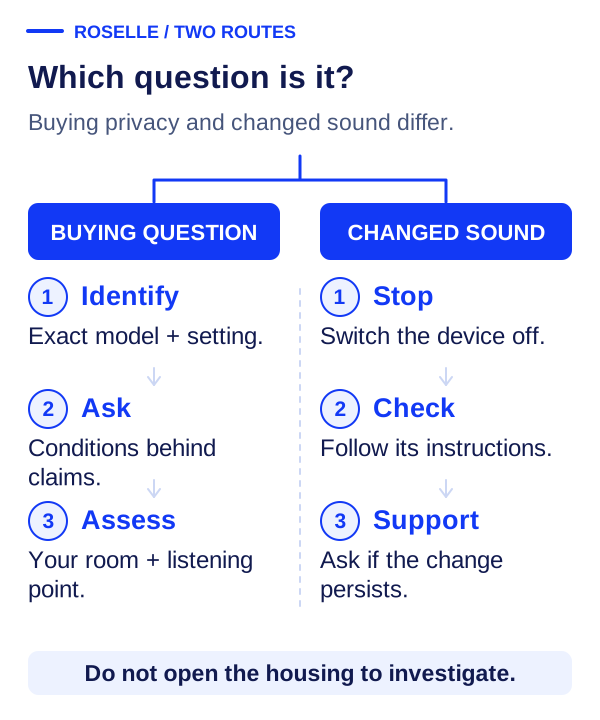
A new rattle or changed operating sound deserves a check, but sound alone cannot diagnose a failed motor. Switch off and disconnect the charger before inspecting the exterior. Look for visible damage and check whether the device was contacting another object.
If the change persists, or the device also works inconsistently, stop and ask Roselle for support. Provide the model, selected setting, and a description of when the change began. Do not open the housing, add oil, or force a moving component.
Which quieting tricks should you avoid?
Do not solve a privacy concern by interfering with the device. Avoid blocking openings, modifying the housing, or tightly wrapping a powered unit. Water is not a noise remedy: Roselle Duo must not be submerged or used in a bath.
Use only the cleaning and charging methods allowed for your model. The care and charging guide covers those checks separately, so a sound concern does not turn into an improvised repair.
How should quietness affect your choice?
Make quietness a question to verify alongside mechanism, grip, and controls. This guide has no comparable measured decibel results for Roselle models, so it cannot identify a quietest model or promise that someone outside your room will not hear one.
Use Compare Roselle models for documented design differences. If sound is essential to your decision, ask about evidence for the exact model before choosing. A clear limitation is more useful than an unsupported promise of silence.
FIND YOUR ROSE
Four Roselle favorites
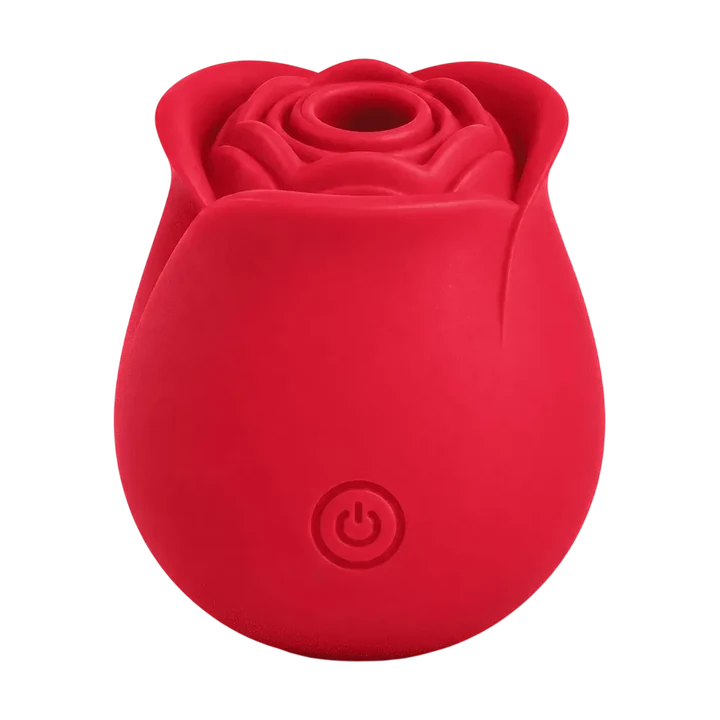
Classic
Air-pulse suction. Compact rose format.
View model →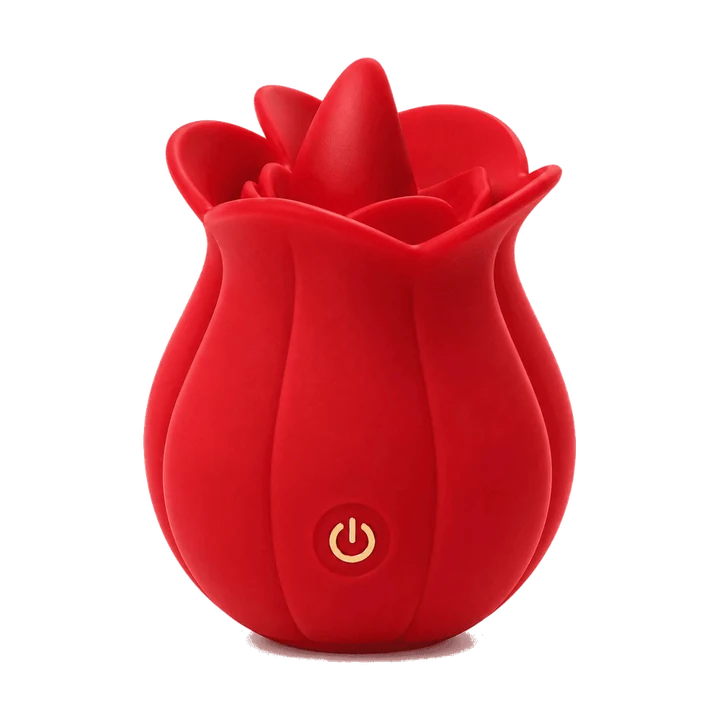
Kiss
Tongue motion + vibration
View model →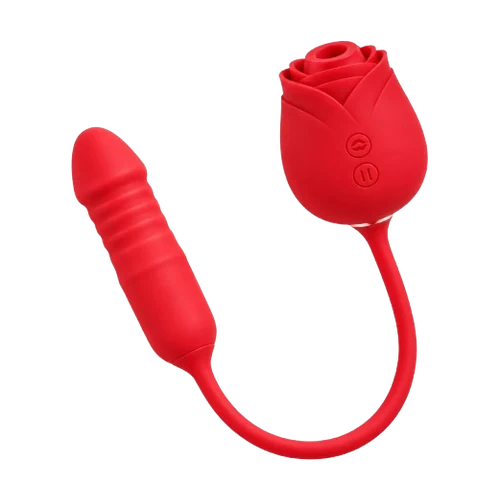
Duo
Suction + thrusting
View model →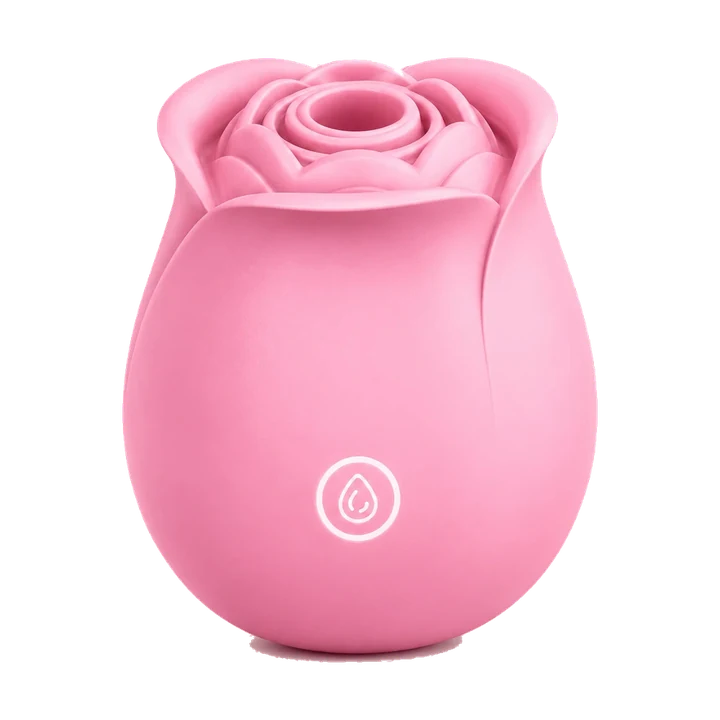
Sync
Optional app control
View model →KEEP EXPLORING
Recommended reading

What Is a Rose Toy? Types, Functions, and Key Differences
Understand rose toy names, mechanisms, and formats, then use a simple checklist to read a product listing accurately.
Read guide →
What Does a Rose Toy Feel Like? Sensation Differences
Understand how pressure pulses, vibration, and moving contact differ, then compare the features you can verify before choosing a rose toy.
Read guide →
Can Men Use Rose Toys? Fit and Intended Use
Can men use rose toys? Compare product formats, intended use, physical fit, controls, and model-specific care boundaries before choosing a Roselle device.
Read guide →
Join the conversation
Have a question or a tip about this guide? Leave a comment below. Comments are reviewed before they appear; your email address is never published.